« Everything Flows »
mokuhanga • printmaking
2026 - Shiramine paper, gofun, pigment
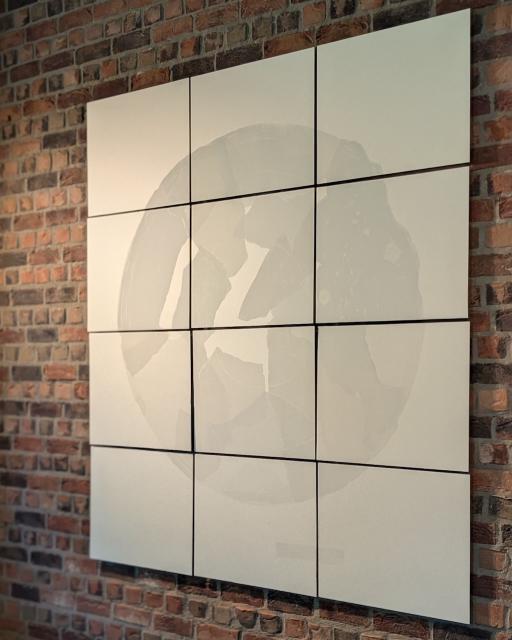
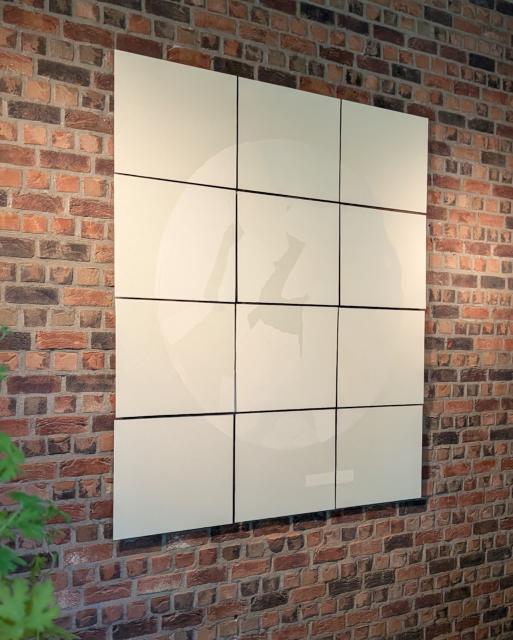
Panta Rhei — Heraclitus
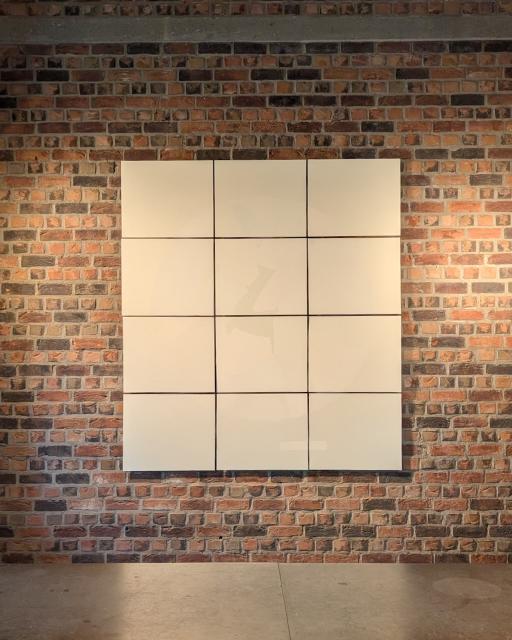
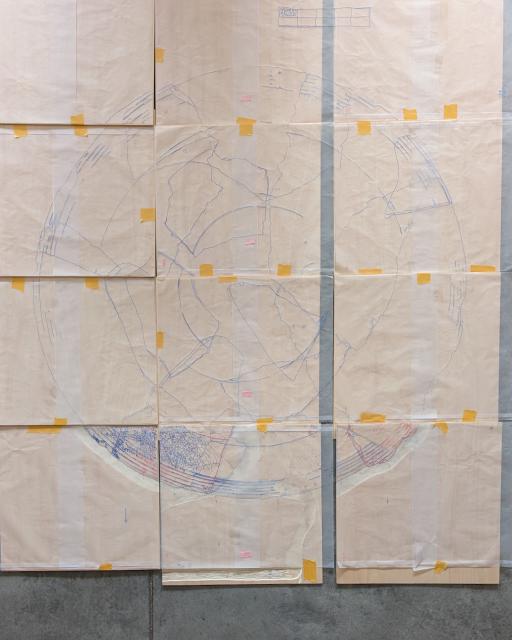
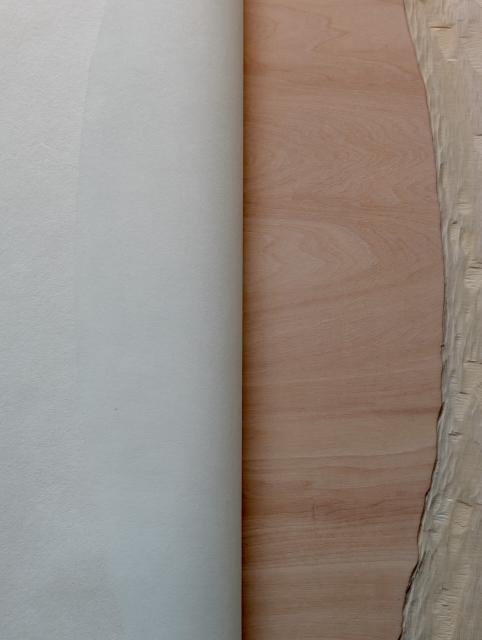
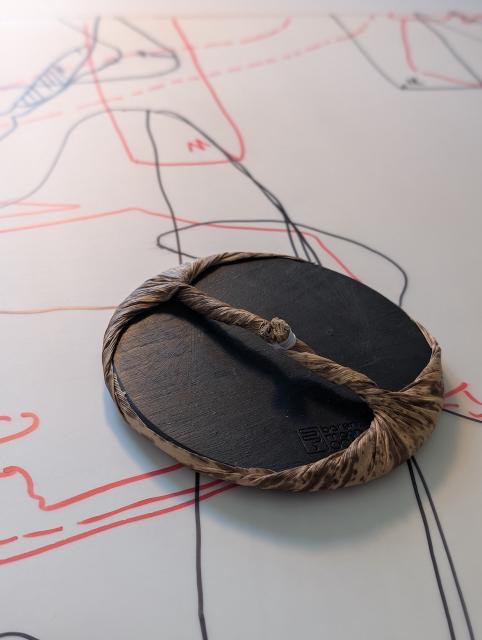
This work consists of twelve woodblock prints, made using the traditional Japanese Mokuhanga technique on washi paper, printed with gofun with minimal accents of red, blue or yellow pigment added to some prints.
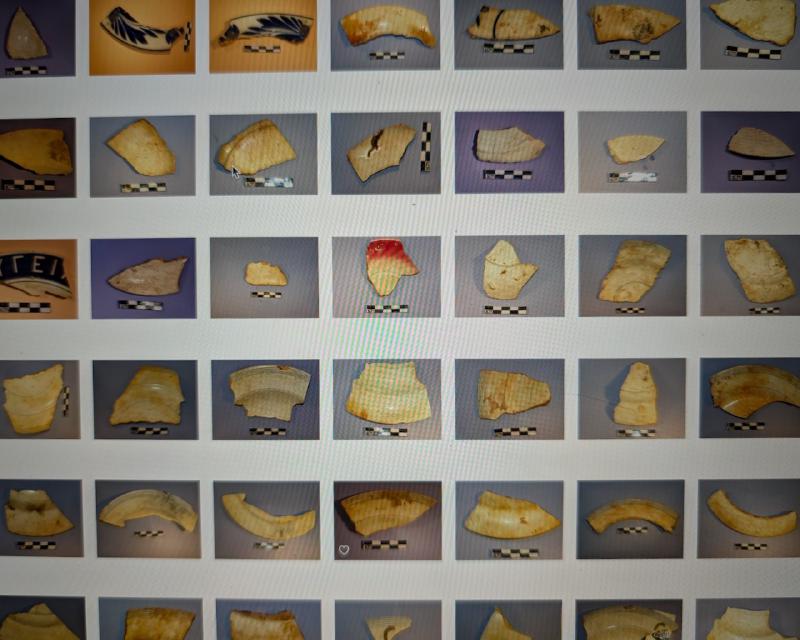
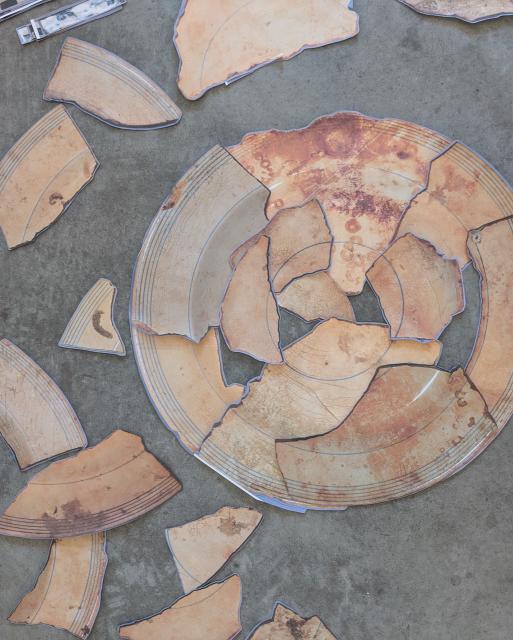
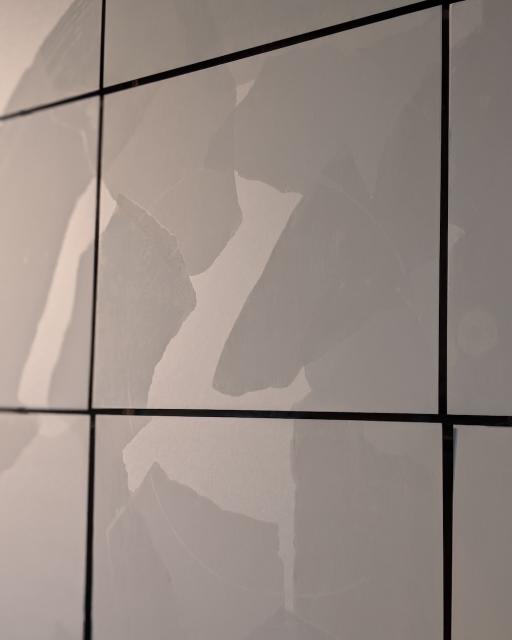
The result is a large plate visually assembled from shards of tableware recovered from the wreck of the SS Kilmore. This ship sank in 1906 off the Belgian coast carrying a cargo of porcelain. Using archived photographs of these shards, a new, reconstructed image has been created; however, the plate is not complete, leaving gaps between the overlapping pieces.
These shards serve as symbols of both the past and the hope of restoration. In 2025, substrates carrying two hundred thousand larvae of the European flat oyster (Ostrea edulis) were placed around the wreck in an effort to restore the vanished oyster banks in the North Sea. The sunken ship, once a remnant and pollutant in the sea, now forms the ideal habitat for new oyster banks to emerge in its shelter.
Everything flows and is in constant motion: old becomes new, and new decays back into old in a cyclical dance.
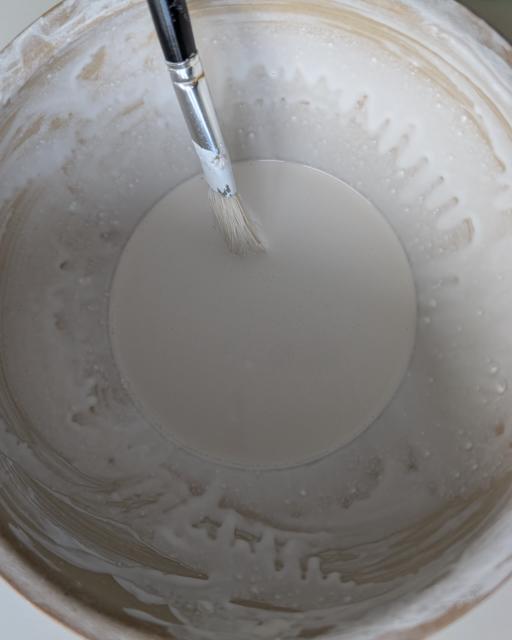
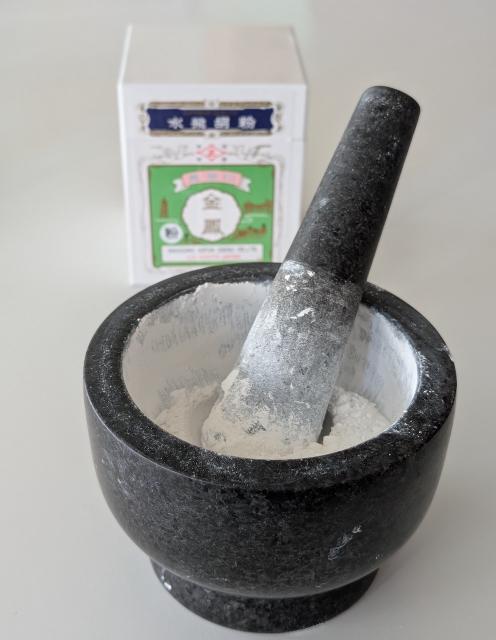
Crucial to this work is the choice of gofun, a white pigment made from ground Japanese oyster shells. These shells are bleached in the sun for years and then ground into a fine powder. Since the 12th century, gofun has been used in painting and traditional ukiyo-e, as well as for finishing authentic Noh masks, where it provides a matte, smooth, porcelain-like layer that gives depth to the mask. This material, rooted in ancient Japanese art and craftsmanship, underscores the connection between past and future. While the European flat oyster will hopefully restore its population, the supply of original wild Japanese oyster shells needed for gofun production is quietly becoming depleted.
The scale of the work is also a deliberate choice. During the documentation of the shards from the wreck, a five-centimetre reference strip was visible in each photograph. In the final composition, this scale has been enlarged to the length of the artist’s foot, giving the work near-human dimensions. This choice emphasises the physical presence and impact of the composition, inviting the viewer into a direct confrontation with this cyclical movement of decay and rebirth.
Two editions are available. The first edition sells the work as a whole, with the twelve woodblock prints forming one assembled plate. In the second edition, the twelve prints are sold separately, allowing the shards to disperse as they originally were in the sea — a return to the fragmentary state of the wreck. Both options highlight different aspects of the story: unity versus fragmentation, integration versus dispersion. Even in its presentation, the cyclical movement that underlies the work itself remains visible.
Technical details
- Dimensions: 156 × 172 cm (total), 43 × 52 cm (per sheet)
- Technique: Mokuhanga (Japanese woodblock print), reduction print
- Materials: Shiramine paper, gofun (oyster shell powder), pigment
- Edition: 2 + 1 artist print
Shard photographs: courtesy of Ine Demerre @ Flanders Heritage Agency
The ship: kilmore.gue-be.be
The European flat oyster: Jan De Nul — BelReefs · Jan De Nul — Oyster Reef Restoration
Gofun: Kogei Art Kyoto
more mokuhanga: